
ADHD and Money: How to Spend Without the Regret Spiral
Practical, shame-free ways to manage money with ADHD: park the urge, keep purchases reversible, find cheaper dopamine, and pull the traps out of reach.

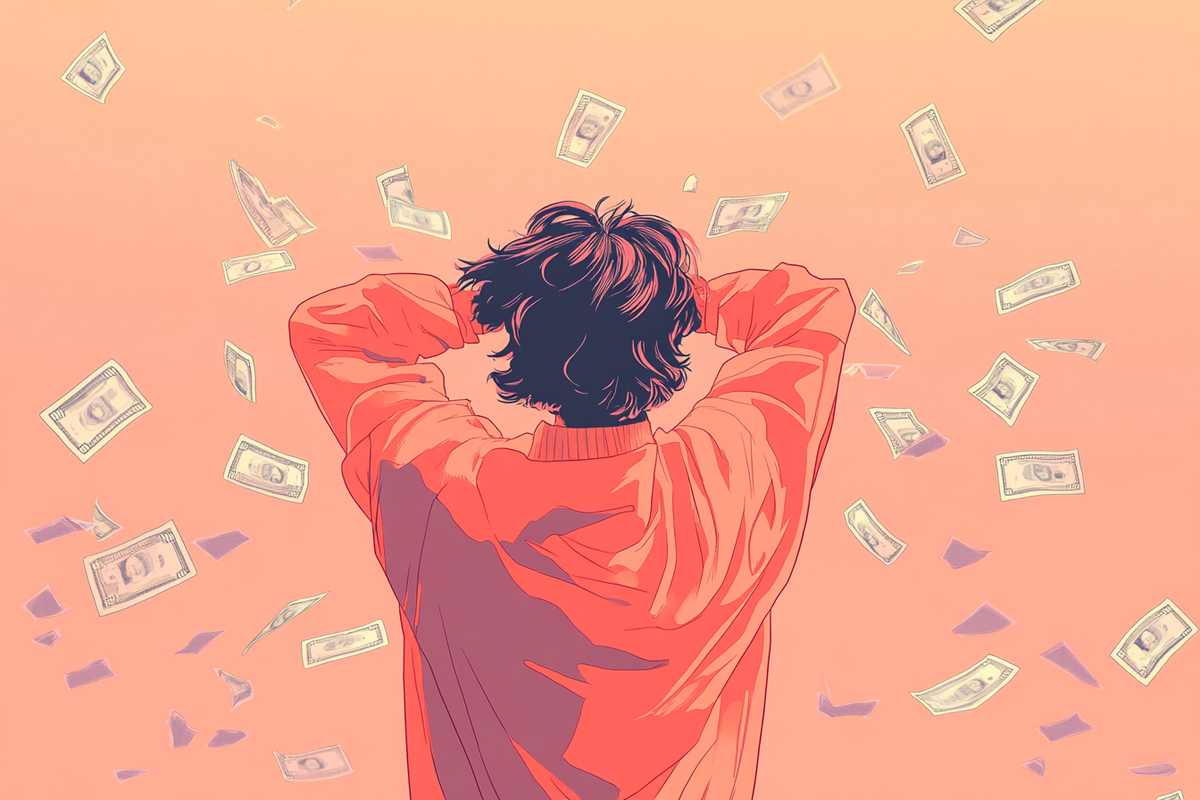
Having ADHD can get expensive. The sudden wants, the itch for something new, the "this will finally fix my life" purchase at 11pm. If you know that feeling, you are not weak and you are not bad with money. Your brain is wired to chase novelty and dopamine, and the entire retail world is built to sell exactly that to you.
For years I tried to white-knuckle my way through it. Resist harder, feel guilty, resist again. It does not work, and fighting yourself all day is exhausting. It burns the same limited energy you need for everything else.
So I stopped trying to summon more willpower and built a system instead. Not a strict budget I would abandon in a week, but a handful of small tricks that work with an ADHD brain rather than against it. Here is what actually holds up.
First, drop the shame
The "ADHD tax" is real: late fees, buying a second one because you forgot you owned the first, subscriptions you never use, express shipping you did not need. None of that makes you irresponsible. It means your brain struggles with impulse and time, which is the definition of the condition, not a character flaw.
This matters, because shame makes it worse. When you feel bad about money, you avoid looking at it, and avoidance is where the real damage happens. The goal is not to never buy anything. It is to buy in a way you will not regret, and to stop punishing yourself along the way.
Park the urge instead of fighting it
The want is strongest in the first few minutes. Get past that spike and it usually fades.
The trick that works best for me is a wishlist. When I want something, I add it to a list instead of buying it. Oddly, the small act of saving it gives my brain enough of a hit to let go. Mine is just a folder of browser bookmarks. Later, when I actually want to treat myself, or someone asks what I want for a birthday, I pick from that list. Half the time I look back and cannot remember why I wanted the thing at all.
If the urge is too strong to park, do not force a hard no. Add a delay instead. Tell yourself you can buy it in two days. If you still want it then, fine. Most of the time, future you never comes back for it.
Make every purchase reversible
A lot of buyer's remorse comes from feeling stuck with a decision, so I lower the stakes of saying yes.
In a store, I buy the thing but I keep the receipt like it is treasure. Knowing I can return it stops the mental torture in the moment, and about half the time I do bring it back. Online, I only buy from places where returns are genuinely easy. If sending it back would be a hassle, that is my signal to skip it.
Same logic for anything recurring. I subscribe monthly instead of annually, even when the yearly plan is "better value." The easy exit is worth more to me than the discount, because an ADHD brain forgets to cancel. And for apps, I use the free trial properly before paying, instead of buying on a hopeful impulse.
Find cheaper dopamine
Here is the part people miss: you do not always have to kill the craving. You can feed it for less.
Buying secondhand gives me almost the same rush as new, for a fraction of the price and with far less guilt. Borrowing works too. Libraries, tool libraries, and friends cover a surprising number of "I need this right now" moments. For games, renting or subscription catalogs scratch the novelty itch without a full-price buy every time. Same hit of new, much smaller bill. And some of the best dopamine is free: a good workout does more for my focus than any purchase ever has.
Pull the traps out of reach
Finally, stop fighting temptation you can simply delete.
Remove your saved card details from shopping sites, so buying takes real effort instead of one tap. Unsubscribe from marketing emails and turn off the push notifications built around drops, sales, and hype. Every "limited time" alert is engineered to trigger the exact impulse you are trying to manage. And if a shopping app is a recurring problem, take it off your phone. You can always use the website, which is just annoying enough to slow you down.
The point
Managing money with ADHD is not about becoming a different, more disciplined person. It is about designing your world so a moment of impulse costs less: park the urge, keep every yes reversible, feed the craving cheaply, and put the traps out of reach.
And when you slip and buy the ridiculous thing anyway, let it go. Self-blame has never balanced a single budget. A kinder system will.